How to Find Hidden Leaks with a Radiator Leak Tester
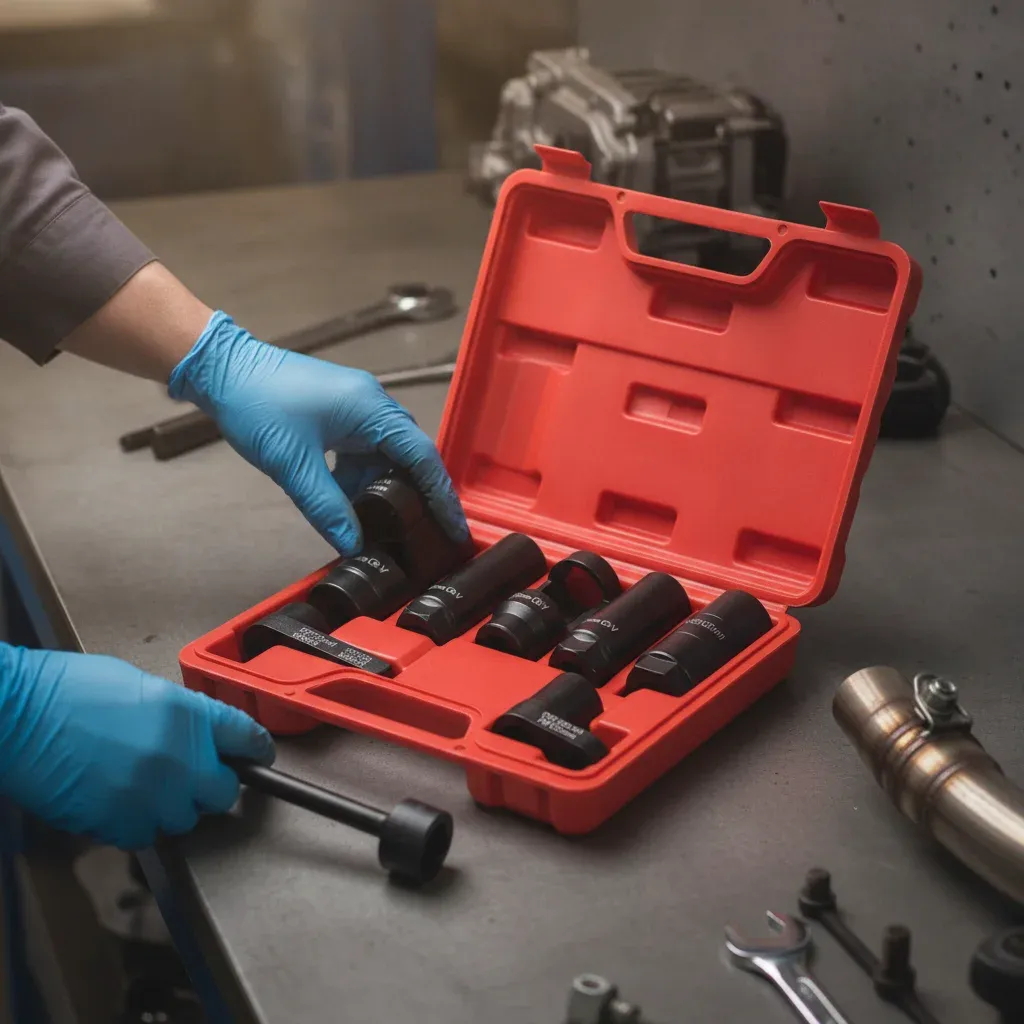
TL;DR: A radiator leak tester is a diagnostic tool that pressurises your car's cooling system to help you quickly identify leaks in radiators, hoses, or water pumps. By attaching the tester to your expansion tank and pumping it to the recommended pressure (usually around 1-1.5 bar), you can visually spot escaping coolant or observe pressure drops, preventing overheating and costly engine damage.
A radiator leak tester is an essential piece of garage equipment designed to artificially pressurise your vehicle's cooling system, allowing you to pinpoint the exact location of escaping coolant without running the engine. If you've noticed a mysterious drop in your coolant reservoir under the bonnet, this tool is the most accurate way to diagnose the issue. Based on our testing at CoolTest, and according to UK guidelines for MOT preparation, addressing cooling system failures early is critical; in fact, RAC statistics show it's a leading cause of motorway breakdowns on routes like the M25.
What is a radiator leak tester and how does it work?
A radiator leak tester, sometimes called a coolant pressure tester, consists of a hand pump, pressure gauge, and a set of adapters designed to fit various expansion tanks. The principle is simple: it pressurises the cooling system, typically to the same pressure as your radiator cap (often 1 to 1.5 bar). A good tool, such as the Professional Coolant Pressure Tester & Vacuum Refill Kit, allows you to effectively diagnose leaks across the system. Furthermore, it helps you identify leaks, which, if left unchecked, can lead to serious engine damage. Once pressurised, you can visually inspect the system for escaping coolant – this might be a drip from a hose, a weeping radiator, or even bubbles rising in the expansion tank.
How do you use a radiator pressure tester safely?
Safety is paramount when working with pressurised systems. Firstly, ensure the engine is completely cold. Secondly, carefully remove the radiator cap (or expansion tank cap). Thirdly, select the correct adapter from the kit to fit your expansion tank and connect the tester securely. According to industry safety standards, you should pump the tester up to the recommended pressure (usually printed on your radiator cap or expansion tank – typically between 1 and 1.5 bar). Consequently, observe the pressure gauge for any drop; a falling presndicates a leak. Also, carefully inspect all hoses, the radiator itself, and the water pump for any signs of escaping coolant. Furthermore, if you suspect a head gasket issue, look for bubbles in the coolant reservoir (with the tester attached and pressurised). If bubbles are present, this might point to a head gasket failure.
Where are the most common coolant leaks found?
In the UK, with our wet winters and roads treated
Ready to speed up your diagnostics with CoolTest?
Upgrade Your Workshop — £223.60